Systematic Sampling
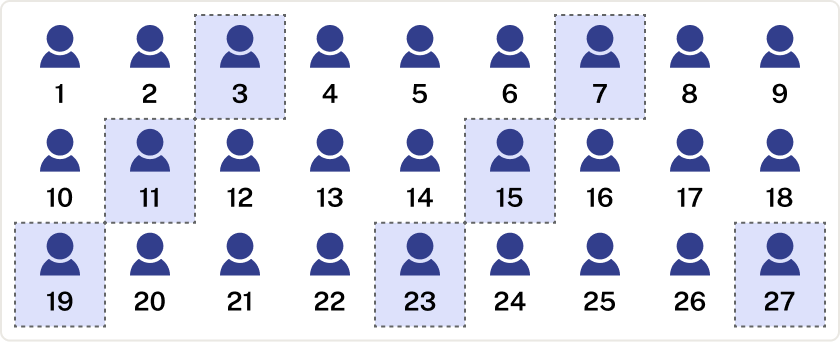
In systematic sampling, every individual in the population is given a number, and individuals/entities are chosen at regular intervals, with a random starting point (usually among the first several).
Stratified Sampling
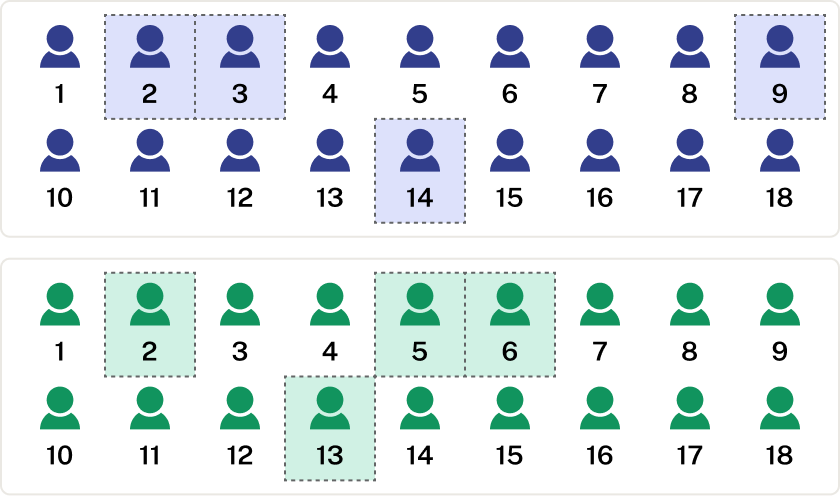
In stratified sampling, a population is divided into two or more groups (these groups are collectively called strata, referring to one of several groupings is known as a stratum) according to some criterion (i.e., geographic location, grade level, age group, income group, etc.), and a sample is selected from each stratum using simple random sampling or systematic sampling.
Cluster Sampling
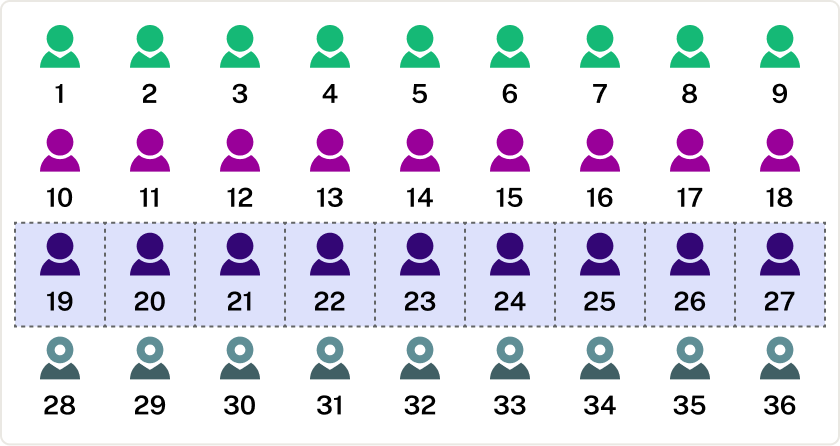
Similar to stratified sampling, for cluster sampling, a population is divided into two or more groups (called clusters) according to some criterion. Clusters are then randomly selected, and every individual in the cluster(s) is included in the sample.
Convenience Sampling
A convenience sampling is a sample of individuals who are most accessible to the researcher. A convenience sample is usually not random or representative of the population. This is an example of a biased sampling method because it tends to produce samples that are not representative of the population. For example, you might take a sample of your friends because it is easy to collect information about them.